
Raynaud’s is usually recognized by cold fingers, numbness, and temporary color changes, but some people may also notice that their fingers look or feel swollen as they warm after an episode.
This can be confusing, especially when swelling appears during the transition from coldness to warmth. The important distinction is between temporary swelling that occurs around rewarming and swelling that is persistent, pronounced, or different from a person’s usual Raynaud’s symptoms.
Can Raynaud’s Cause Swollen Fingers?
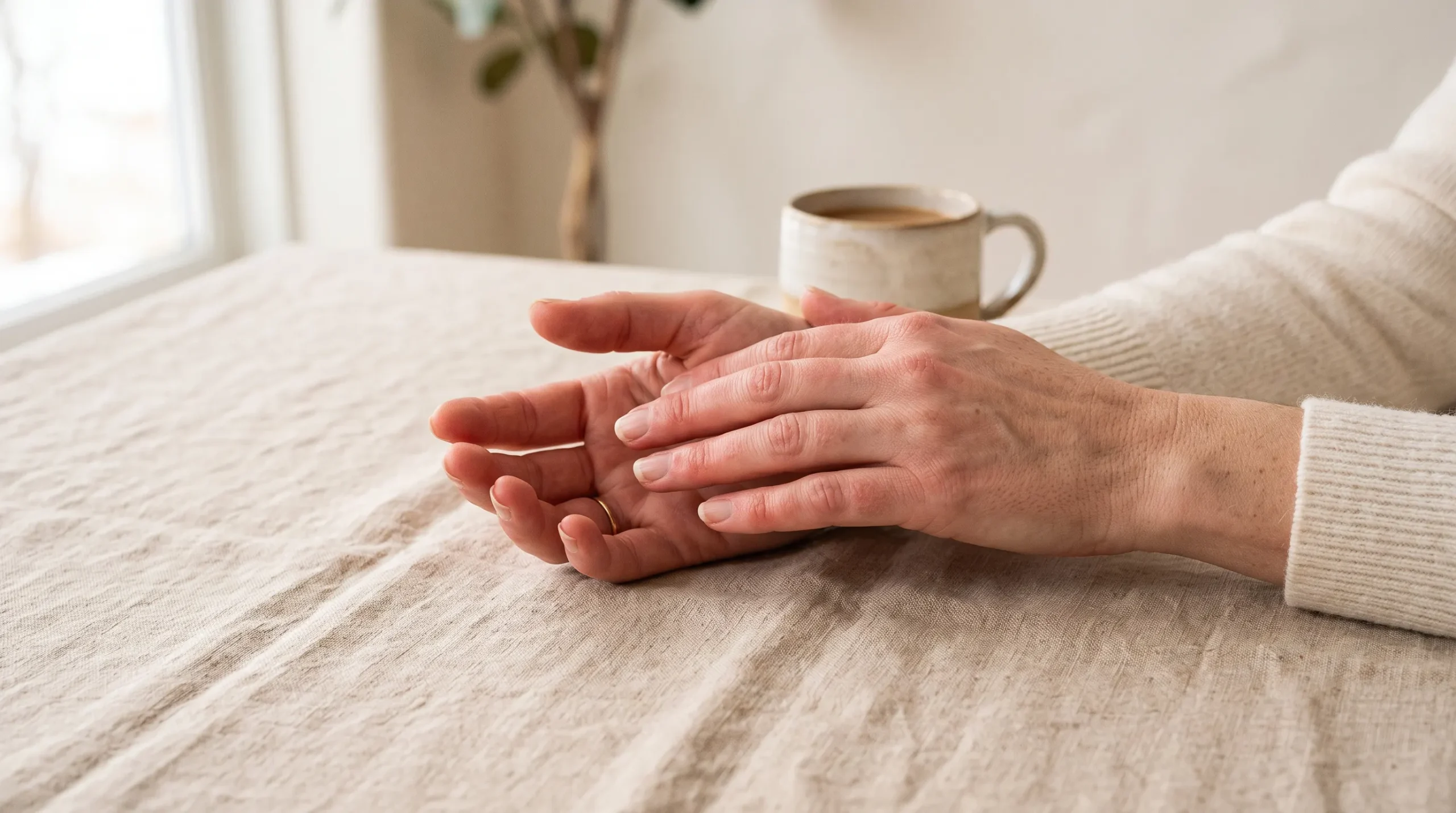
Yes, finger swelling can occur around a Raynaud’s episode, particularly as the affected fingers warm again. The fingers may become red, tingly, throbbing, or somewhat swollen during this stage.
The Mayo Clinic describes swelling as a possible symptom when blood flow returns after a Raynaud’s attack. This means that some temporary puffiness during rewarming can occur as part of the changes experienced around an episode.
However, swelling alone does not establish that Raynaud’s is the cause. Its timing, duration, severity, and relationship to the person’s other symptoms all matter.
Why Can Fingers Swell After a Raynaud’s Episode?
During a Raynaud’s episode, the small blood vessels supplying the affected fingers narrow, reducing blood flow. As the episode resolves, those vessels can open again and blood flow returns.
This transition can produce sensations that are different from those experienced during the cold phase. Instead of feeling mainly cold or numb, the fingers may become warmer, redder, tingly, or throbbing, and some people may notice swelling.
The American College of Rheumatology explains that rewarming can produce a sudden return of blood flow to affected fingers and toes. This provides context for why the appearance and sensation of the fingers can change noticeably as an episode resolves.
What Does Raynaud’s-Related Finger Swelling Feel Like?
There is no single way that swelling around a Raynaud’s episode will feel. Some people may notice that their fingers look slightly fuller or feel tight as they warm.
The swelling may occur together with other rewarming sensations, such as tingling, throbbing, warmth, or a temporary change in skin color.
These sensations differ from the cold or numb feeling that can occur during the earlier phase of an episode. The sequence of symptoms can therefore provide useful context when describing what happens to the fingers.
Does Finger Swelling Happen During or After Raynaud’s?
When swelling occurs in connection with Raynaud’s, it is more relevant to the rewarming period than to the initial cold phase.
During the cold phase, the fingers may instead feel cold, numb, painful, or unusually pale or discolored. As they warm again, the sensations can change and may include warmth, redness, tingling, throbbing, or swelling.
For an overview of the wider range of symptoms that can occur with Raynaud’s, see What Are the Symptoms of Raynaud’s?.
When Is Finger Swelling Different From a Typical Raynaud’s Pattern?
Not every swollen finger is related to Raynaud’s. Swelling can have different causes, so it should not automatically be attributed to Raynaud’s simply because a person also experiences Raynaud’s episodes.
Particular attention is warranted when swelling is persistent, pronounced, increasingly painful, develops suddenly, or continues after the person’s usual Raynaud’s episode has otherwise resolved.
The NHS advises seeking medical advice when Raynaud’s symptoms are severe, getting worse, or affecting daily life. If you are unsure whether a change in your symptoms needs medical assessment, When Should You See a Doctor About Raynaud’s? provides more information.
Does Swollen Fingers Mean Raynaud’s Is Getting Worse?
Not necessarily. Temporary swelling that occurs while the fingers are warming does not by itself show that Raynaud’s is becoming more severe.
A more meaningful change would be a noticeable difference in the overall pattern of episodes, such as symptoms becoming more frequent, lasting longer, or affecting daily activities differently than before.
If the overall pattern of your Raynaud’s symptoms appears to be changing over time, see Can Raynaud’s Get Worse Over Time? for a separate discussion.
Why Should Persistent Finger Swelling Not Be Ignored?
Temporary swelling may occur around the rewarming phase of a Raynaud’s episode, but swelling that persists independently of that pattern should be considered separately.
If a finger remains swollen after an episode has passed, or swelling repeatedly appears without the usual relationship to cold exposure or rewarming, it is better not to assume that Raynaud’s explains the change.
The reason is that the appearance of swelling does not identify its cause. A healthcare professional can consider the full pattern of symptoms and other relevant factors rather than attributing the swelling to Raynaud’s based on one symptom alone.
Can Raynaud’s Cause Swollen Fingers? The Short Answer
Yes, fingers may become swollen as they warm after a Raynaud’s episode. Swelling can occur alongside warmth, redness, tingling, or throbbing during rewarming. However, persistent, severe, or unusual swelling should not automatically be attributed to Raynaud’s and may need separate medical assessment.
Frequently Asked Questions
Can Raynaud’s make your fingers swell?
Yes. Fingers may become somewhat swollen as they warm and blood flow returns after a Raynaud’s episode.
Do fingers swell during or after a Raynaud’s attack?
When swelling occurs in connection with Raynaud’s, it is more commonly noticed during the rewarming phase as the fingers become warm again.
Why do my fingers feel swollen after Raynaud’s?
As the fingers warm after an episode, they may become red, warm, tingly, or throbbing, and some people may also notice swelling.
Is finger swelling always caused by Raynaud’s?
No. Swelling can have different causes, so persistent or unusual swelling should not automatically be attributed to Raynaud’s.
Does swollen fingers mean my Raynaud’s is getting worse?
Not necessarily. Temporary swelling during rewarming does not by itself show that Raynaud’s is becoming more severe. Changes in the overall pattern of symptoms are more relevant.
When should I see a doctor about swollen fingers with Raynaud’s?
Consider medical advice if swelling is persistent, severe, painful, develops suddenly, keeps getting worse, or occurs with symptoms that are different from your usual Raynaud’s episodes.
Medical note: This article provides general educational information about Raynaud’s and finger swelling and is not intended to diagnose, treat, or replace professional medical advice. Persistent, severe, or unusual swelling should be evaluated by a qualified healthcare professional.