

For people with Raynaud’s or cold-sensitive hands, hand warmers can be a practical way to maintain comfort during cold exposure. However, using a hand warmer effectively is not only about producing heat. Placement, timing, and heat control all influence the warming experience.
A common misunderstanding is that stronger heat always creates better results. In many situations, consistent and comfortable warmth is more useful than applying intense heat for a short period. Understanding how
warming products for cold-sensitive hands
work can help people choose a suitable warming approach.
Where Should You Place a Hand Warmer?
The best placement depends on the type of hand warmer, activity, and personal comfort. Many people place hand warmers inside gloves, mittens, or pockets to create a warmer environment around their hands.
For people with Raynaud’s phenomenon, avoiding cold exposure is an important part of reducing common triggers. The
American College of Rheumatology
recommends strategies such as keeping hands warm with gloves, mittens, and other warming methods.
Common placement options include:
- Inside gloves or mittens: Helps maintain warmth around the hands during outdoor activities.
- In jacket pockets: Allows hands to be warmed when needed without continuous direct contact.
- Near the wrist area: Some people find wrist warmth comfortable because it can help create a warmer environment around the hand.
Should You Put a Hand Warmer Directly Against Your Skin?
Direct skin contact is usually unnecessary. Hand warmers are designed to provide surrounding warmth, and prolonged direct contact with a heat source may create discomfort or excessive heat exposure.
People with Raynaud’s may experience numbness or reduced sensation during cold episodes. This can make it harder to notice uncomfortable temperatures. Using a protective layer, such as a glove or fabric barrier, can create a more gradual warming process.
How Long Should You Use a Hand Warmer?
Usage time depends on the type of hand warmer and environmental conditions. Instead of focusing on a fixed time period, the practical approach is to monitor comfort and adjust usage when needed.
A useful warming strategy includes:
- Start warming before hands become extremely cold.
- Check how your hands feel regularly.
- Move or remove the warmer if the heat becomes uncomfortable.
- Avoid relying on very high temperatures for rapid warming.
The
National Library of Medicine’s MedlinePlus
describes avoiding cold exposure and gradually warming affected areas as important parts of managing Raynaud’s symptoms.
Learning about
safe rewarming methods for Raynaud’s
can also help people understand why gradual and controlled warming is important.
Can Hand Warmers Help During Outdoor Activities?
Hand warmers can be useful during activities where cold exposure is difficult to avoid, including walking outdoors, commuting, hiking, watching sports, or working outside.
For longer periods outdoors, combining different warming methods is often more practical:
- Wear insulated gloves or mittens.
- Keep your body core warm with suitable layers.
- Keep hands dry because moisture can increase cold discomfort.
- Prepare warming options before symptoms appear.
What Is the Difference Between Hand Warmers and Heated Gloves?
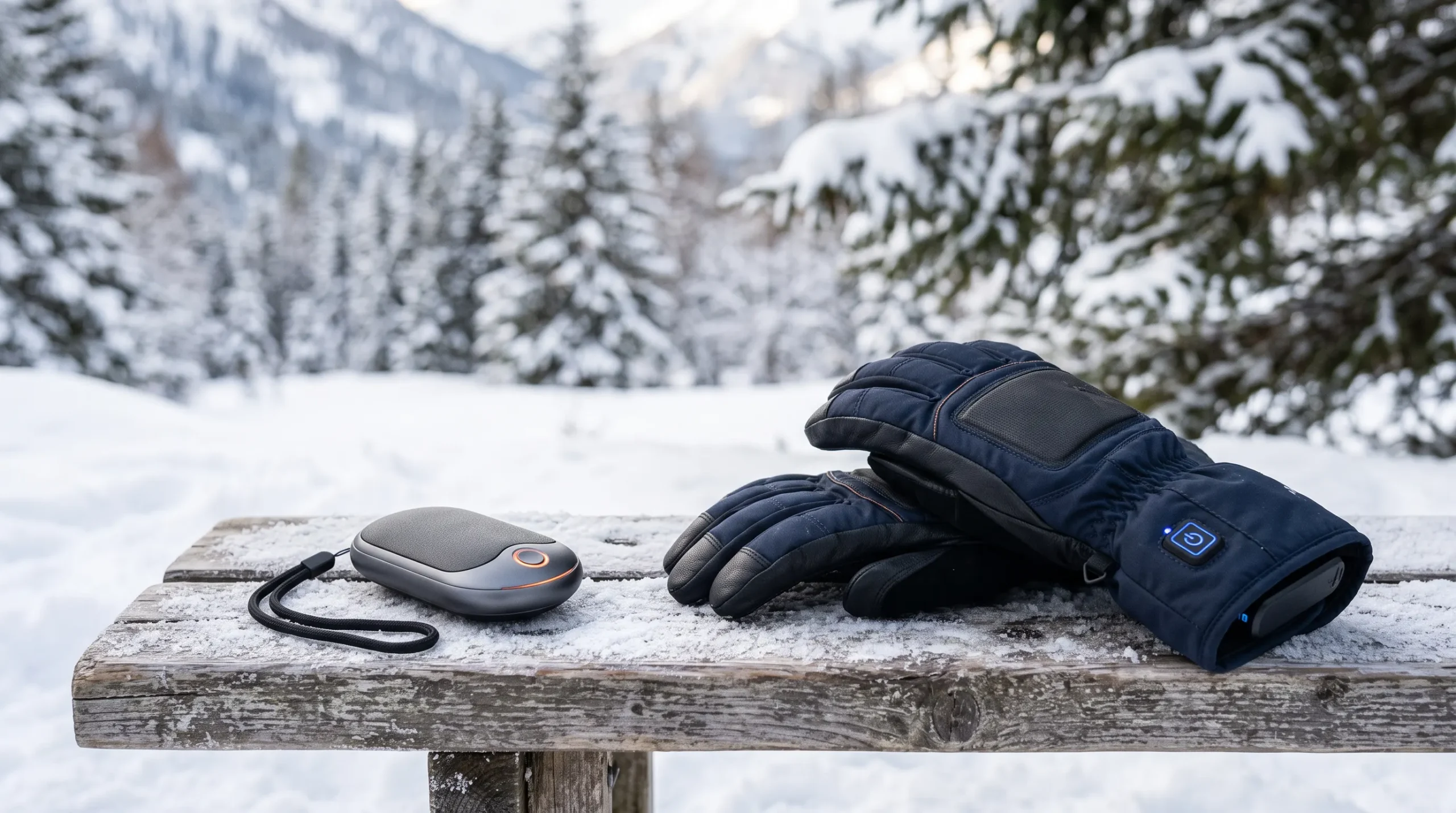
Traditional hand warmers provide heat from a small portable source and usually require manual positioning. Heated gloves use integrated heating elements built into the glove structure to distribute warmth across selected areas.
For people who frequently need hand warming, heated gloves can provide a more continuous warming approach because the heating system is integrated into the wearable design. However, the suitable option depends on activity type, temperature conditions, and personal preference.
Understanding different warming approaches can help people choose between portable warming products and wearable heating systems designed for cold-sensitive hands.
Common Mistakes When Using Hand Warmers
- Waiting until hands are already very cold: Early warming is often easier than warming severely cold hands.
- Using excessive heat: Maximum temperature does not always mean better comfort.
- Ignoring overall body warmth: Keeping only hands warm may not be enough during cold exposure.
- Applying heat directly to numb skin: Reduced sensation may make temperature judgment more difficult.
Key Takeaway
For people with Raynaud’s or cold-sensitive hands, hand warmers work best as part of a complete warming strategy. Correct placement, early warming, and comfortable heat levels are more important than using the highest possible temperature.
Hand warmers can support temporary warmth during cold exposure, while heated gloves provide another approach by integrating heating technology directly into wearable protection. For additional methods,
warm water rewarming methods
can provide another gradual warming option.
Frequently Asked Questions
Can people with Raynaud’s use hand warmers?
Many people with Raynaud’s use warming products such as gloves, mittens, and hand warmers as part of their cold-management routine. Usage should be based on personal comfort and safety.
Where should I put a hand warmer for cold hands?
Common locations include inside gloves, mittens, or pockets. The goal is to create comfortable warmth around the hands rather than applying intense heat directly to the skin.
Are hotter hand warmers better for Raynaud’s?
Not necessarily. Comfortable and consistent warmth is generally more important than maximum temperature. Excessive heat may create discomfort, especially when sensation is reduced.
Should I use hand warmers before my hands get cold?
Many people find preventive warming useful because avoiding cold exposure is a key part of managing Raynaud’s triggers.
Medical note: This article provides general educational information about warming strategies for people with Raynaud’s phenomenon and cold-sensitive hands. It is not medical advice, diagnosis, or treatment. If you experience severe symptoms, persistent color changes, skin damage, or concerns about your condition, consult a qualified healthcare professional.